
A Complete Guide to Relaxation, Swedish, Deep Tissue & Sports Massage
Choosing the right massage can make all the difference in how you feel, recover, and relax. Whether you’re looking to escape everyday stress, relieve muscle tension, improve flexibility, or support your active lifestyle, there’s a massage technique designed to meet your needs.
But with so many massage options available, how do you know which one is right for you?
In this comprehensive guide, we’ll explore four popular massage styles—Relaxation Massage, Swedish Massage, Deep Tissue Massage, and Sports Massage—to help you understand their differences, benefits, and ideal uses.
By the end, you’ll feel more confident choosing the perfect massage for your body and wellness goals.
1. Relaxation Massage: Your Escape From Everyday Stress
Life can be demanding. Between work responsibilities, personal commitments, and daily challenges, finding time to unwind is essential for your overall well-being.
Relaxation massage is designed to help you slow down, release everyday tension, and enjoy a peaceful experience.
What Is Relaxation Massage?
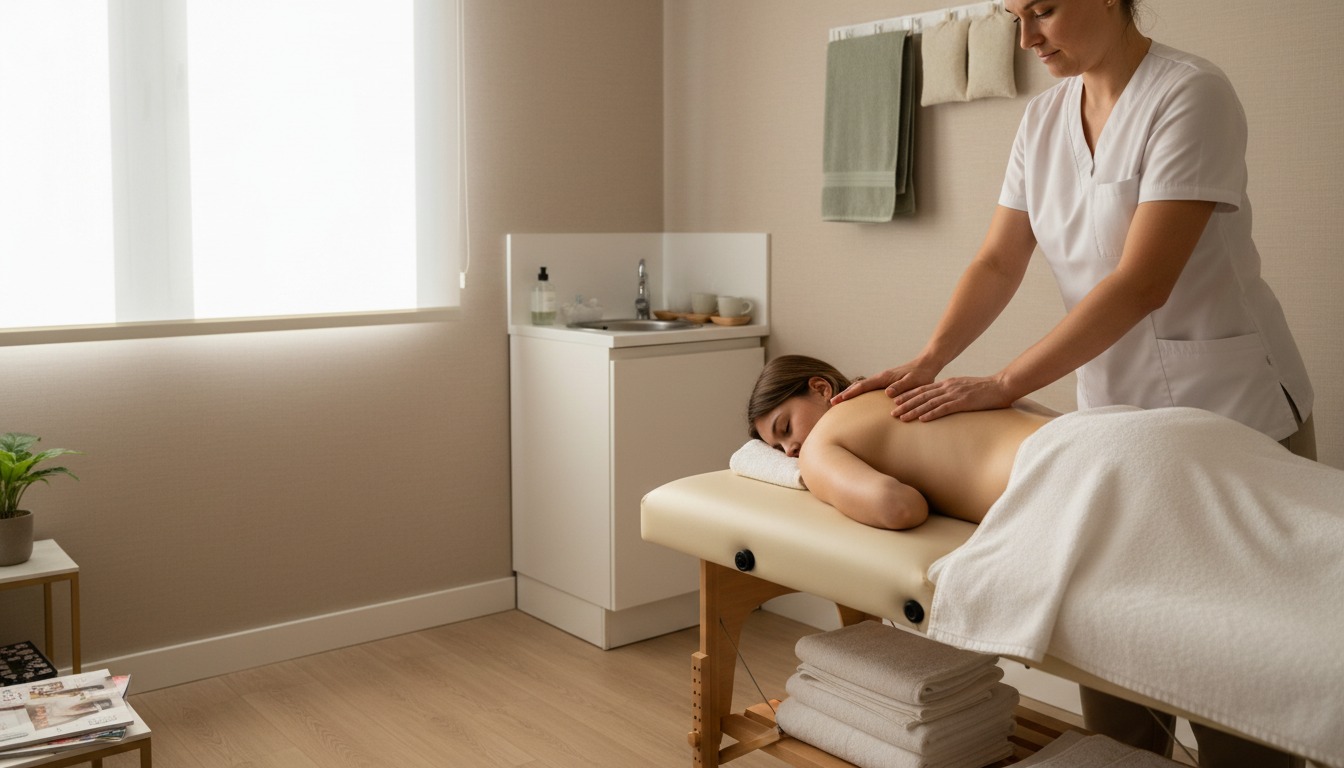
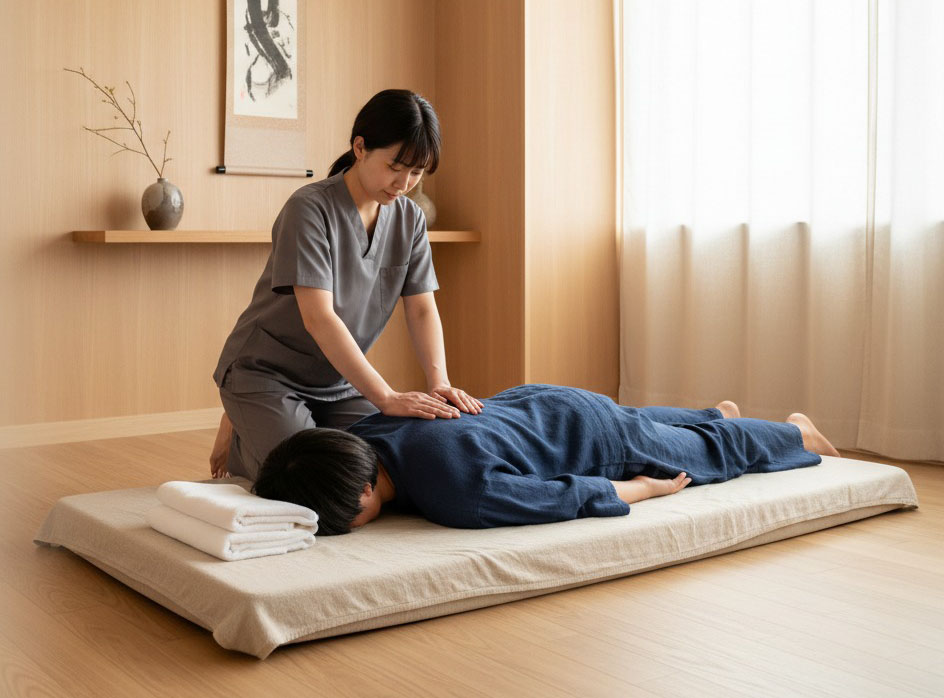
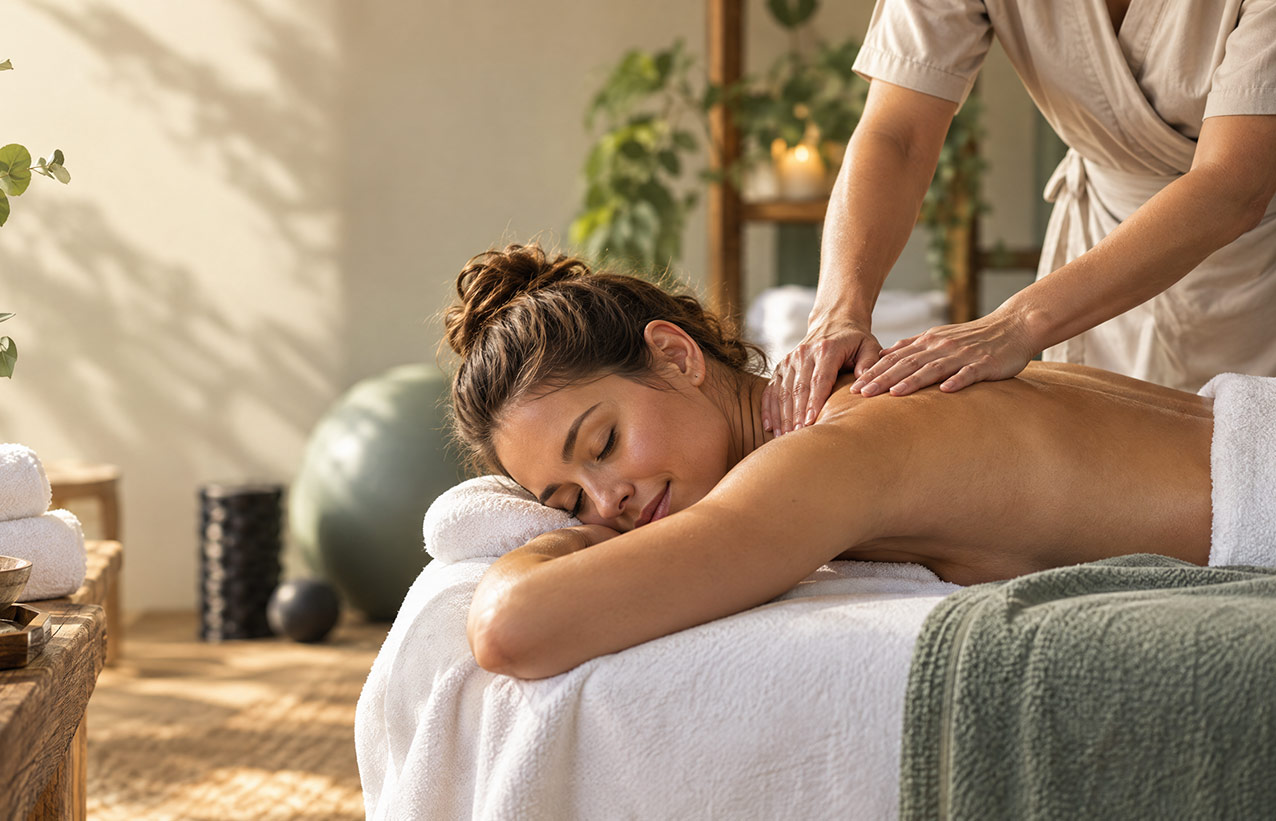
Relaxation massage is a gentle, soothing treatment that focuses on comfort and stress reduction rather than intensive muscle manipulation.
Your massage therapist typically uses slow, flowing strokes, light to moderate pressure, and rhythmic movements to create a calming experience.
Depending on the spa or massage studio, relaxation treatments may also incorporate soothing music, aromatic oils, and a peaceful atmosphere.
Benefits of Relaxation Massage
- Helps reduce feelings of stress and anxiety.
- Encourages physical and mental relaxation.
- May improve subjective sleep quality.
- Helps relieve mild muscle tension.
- Promotes an overall sense of well-being.
- Provides a refreshing break from a busy routine.
Who Should Choose Relaxation Massage?
Relaxation massage may be an excellent choice if you:
- Feel mentally exhausted or overwhelmed.
- Want a gentle massage without intense pressure.
- Are new to professional massage treatments.
- Experience mild tension from everyday activities.
- Simply want to enjoy a calming wellness experience.
Best For: Stress relief, gentle relaxation, and general wellness.
Pressure Level: Light to medium.
Recommended Session: 60–90 minutes.
2. Swedish Massage: The Perfect Balance of Relaxation and Muscle Relief
Swedish massage is one of the most widely recognized massage techniques in the world.
It combines soothing movements with structured muscle manipulation, making it a versatile option for people seeking both relaxation and relief from everyday muscle tightness.
What Is Swedish Massage?
Swedish massage uses several classic techniques to work with the body’s soft tissues.
These techniques include:
Effleurage: Long, gliding strokes that help warm the muscles and encourage relaxation.
Petrissage: Kneading and lifting movements that help address muscle tightness.
Friction: Focused rubbing movements applied to specific areas.
Tapotement: Rhythmic tapping or percussion techniques.
Vibration: Gentle shaking or trembling movements that may help relax muscles.
Your therapist can adjust the pressure and techniques according to your comfort and preferences.
Benefits of Swedish Massage
Swedish massage may help:
- Reduce general muscle tension.
- Promote relaxation and comfort.
- Provide temporary relief from everyday aches.
- Improve your sense of physical well-being.
- Support flexibility by easing muscle tightness.
- Reduce perceived stress.
Who Should Choose Swedish Massage?
Swedish massage is particularly suitable for:
- First-time massage clients.
- Office workers experiencing mild muscle stiffness.
- Individuals seeking a combination of relaxation and muscle work.
- People who prefer moderate, adjustable pressure.
- Anyone looking for a traditional full-body massage experience.
Swedish Massage vs. Relaxation Massage
Although these treatments often overlap, their primary focus can differ.
Relaxation massage prioritizes a gentle, calming experience, while Swedish massage refers to a specific collection of massage techniques that can be adapted for relaxation or more focused muscle work.
In fact, many relaxation massages use Swedish massage techniques.
Best For: General muscle tension, relaxation, and first-time massage clients.
Pressure Level: Light to medium, depending on preference.
Recommended Session: 60–90 minutes.
3. Deep Tissue Massage: Targeted Relief for Persistent Muscle Tension
Do you frequently experience tight shoulders, a stiff neck, or muscle discomfort after long hours at your desk?
If gentle massage doesn’t provide the level of muscle work you’re looking for, deep tissue massage may be worth considering.
What Is Deep Tissue Massage?
Deep tissue massage focuses on specific areas of muscle and connective tissue using slow, deliberate strokes and sustained pressure.
Unlike a general relaxation treatment, this massage style often concentrates on areas of persistent tightness.
Therapists may use their fingers, knuckles, forearms, or elbows to apply controlled pressure while working within your comfort level.
Important: Deep tissue massage does not have to be extremely painful to be effective. The appropriate pressure should be based on your needs, tolerance, and feedback.
Benefits of Deep Tissue Massage
Deep tissue massage may help:
- Temporarily reduce persistent muscle tightness.
- Relieve certain types of musculoskeletal discomfort.
- Improve perceived mobility and flexibility.
- Address localized areas of tension.
- Support relaxation in muscles that feel chronically tight.
- Complement an appropriate exercise or rehabilitation program.
Individual results vary, and massage should not replace medical evaluation or treatment for an underlying injury.
Who Should Choose Deep Tissue Massage?
Deep tissue massage may be suitable for:
- Individuals with recurring muscle tightness.
- People who prefer firm, focused pressure.
- Office workers experiencing persistent shoulder or upper-back tension.
- Individuals with muscle discomfort associated with repetitive activities.
- Clients seeking targeted attention to specific muscle groups.
Is Deep Tissue Massage Painful?
You may experience some discomfort when sensitive muscles are being worked on, but severe pain is not necessary or desirable.
Always communicate with your therapist if the pressure feels excessive, causes sharp pain, or produces numbness or tingling.
Your therapist should adjust the treatment accordingly.
Best For: Persistent muscle tension and targeted muscle work.
Pressure Level: Medium to firm, adjusted to individual tolerance.
Recommended Session: 45–90 minutes.
4. Sports Massage: Supporting Movement, Recovery, and Active Lifestyles
Whether you’re a professional athlete, a regular gym enthusiast, or someone who enjoys staying active, sports massage can be a valuable part of your wellness routine.
Unlike massage treatments that focus primarily on relaxation, sports massage is adapted to the physical demands of exercise and athletic activity.
What Is Sports Massage?
Sports massage combines different massage techniques based on your activity level, training schedule, and physical needs.
A therapist may use:
- Focused soft-tissue techniques.
- Compression and rhythmic pressure.
- Assisted stretching when appropriate.
- Targeted work on frequently used muscle groups.
- Techniques designed for pre-event or post-event comfort.
The treatment may vary depending on whether you’re preparing for physical activity, recovering after exercise, or managing routine training-related tightness.
Benefits of Sports Massage
Sports massage may:
- Reduce the perception of post-exercise muscle soreness.
- Help manage exercise-related muscle tightness.
- Promote relaxation during recovery periods.
- Support comfortable movement.
- Improve awareness of areas experiencing excessive tension.
- Complement a broader athletic recovery routine.
Although sports massage may improve comfort and perceived recovery, research does not consistently show that it directly increases strength, speed, or athletic performance.
Who Should Choose Sports Massage?
Sports massage can be beneficial for:
- Runners and cyclists.
- Weightlifters and fitness enthusiasts.
- Professional and recreational athletes.
- Individuals with physically demanding jobs.
- People who regularly participate in intense physical activities.
You don’t need to be a professional athlete to enjoy sports massage.
If you maintain an active lifestyle and frequently experience exercise-related muscle tightness, this treatment may be appropriate.
Best For: Active individuals, exercise-related soreness, and training recovery.
Pressure Level: Variable, depending on the treatment goal.
Recommended Session: 30–90 minutes.
5. Swedish vs. Deep Tissue vs. Sports vs. Relaxation Massage: What’s the Difference?
Understanding the main differences between these four massage styles can make your decision much easier.
| Massage Type | Primary Focus | Typical Pressure | Ideal For |
|---|---|---|---|
| Relaxation Massage | Stress relief and calmness | Light to medium | People seeking gentle relaxation |
| Swedish Massage | Relaxation and general muscle tension | Light to medium | Beginners and everyday wellness |
| Deep Tissue Massage | Persistent, localized muscle tension | Medium to firm | People seeking targeted muscle work |
| Sports Massage | Exercise-related tension and recovery | Variable | Athletes and active individuals |
Remember that massage styles are not always completely separate. A qualified therapist may combine techniques from different approaches to create a personalized session.
6. How to Choose the Best Massage for Your Needs
Still wondering which massage is right for you?
The easiest way to decide is to identify your primary goal.
If You Want to Reduce Stress
Choose Relaxation Massage.
Gentle pressure, slow movements, and a calming environment make it ideal for unwinding after a demanding week.
If You Want Relaxation and General Muscle Relief
Choose Swedish Massage.
This versatile treatment offers a comfortable balance between soothing relaxation and traditional muscle work.
If You Experience Persistent Muscle Tightness
Consider Deep Tissue Massage.
Its focused techniques may help address specific areas of tension, particularly when you prefer firmer pressure.
If You Exercise Regularly
Consider Sports Massage.
A sports-focused treatment can be tailored to your training schedule, physical activities, and recovery preferences.
If You’re Booking Your First Massage
Start With Swedish or Relaxation Massage.
Both options are generally approachable for beginners, and your therapist can adjust the pressure throughout the session.
7. What Should You Expect During Your First Massage?
If you’ve never experienced professional massage therapy, knowing what to expect can help you feel more comfortable.
Before Your Session
Your massage therapist may ask about:
- Your general health and medical history.
- Areas of discomfort or muscle tension.
- Recent injuries or surgeries.
- Your preferred massage pressure.
- Your goals for the session.
Providing accurate information helps your therapist tailor the treatment and identify situations where massage should be modified or postponed.
During Your Massage
Your therapist should explain the treatment and respect your comfort, boundaries, and privacy.
You can request changes in pressure, ask questions, or stop the session at any time.
Professional massage should always be based on informed consent.
After Your Massage
Some people feel deeply relaxed, while others notice temporary tenderness, particularly after focused muscle work.
Mild soreness can occur, but significant or worsening pain should not be ignored.
Take time to return to your normal activities comfortably and follow any individualized advice provided by your therapist.
8. How Often Should You Get a Massage?
There is no universal massage schedule that works for everyone.
The ideal frequency depends on your goals, budget, health, and response to treatment.
For example:
For General Relaxation: Some people enjoy a massage every few weeks or once a month.
For Persistent Muscle Tightness: A therapist may suggest an individualized schedule based on symptoms and treatment response.
For Active Lifestyles: Massage sessions may be planned around training demands, recovery needs, and personal preferences.
More frequent massage is not automatically better. The goal is to find a routine that supports your comfort and overall well-being.
9. When Should You Avoid or Modify a Massage?
Although massage is generally well tolerated by many healthy adults, certain medical conditions require additional precautions.
Speak with an appropriate healthcare professional before receiving massage if you have:
- A suspected or confirmed blood clot.
- An acute injury, fracture, or significant swelling.
- A skin infection or contagious skin condition.
- An uncontrolled bleeding disorder.
- Severe osteoporosis or fragile bones.
- Recent surgery.
- A medical condition that affects circulation or tissue healing.
If you are pregnant, undergoing cancer treatment, taking blood-thinning medication, or managing a complex medical condition, tell your therapist beforehand and seek medical guidance when appropriate.
Massage is a supportive wellness service, not a substitute for diagnosing or treating medical conditions.
10. Frequently Asked Questions About Massage Types
Which massage is best for beginners?
Swedish massage and relaxation massage are often excellent starting points because the techniques and pressure can be adjusted to your comfort level.
Is Swedish massage better than deep tissue massage?
Neither is universally better.
Swedish massage is generally preferred for relaxation and everyday muscle tension, while deep tissue massage focuses more on persistent, localized tightness.
Your ideal choice depends on your personal goals.
Which massage is best for stress relief?
Relaxation massage and Swedish massage are both popular choices for reducing perceived stress and encouraging a sense of calm.
Can sports massage help with muscle soreness?
Sports massage may help reduce perceived muscle soreness following exercise, although the effects vary from person to person.
Is deep tissue massage suitable for everyone?
No. Deep tissue massage may not be appropriate for people with certain medical conditions, injuries, or sensitivity to firm pressure.
Always discuss your health history and comfort level with a qualified therapist.
Can I combine different massage techniques?
Yes. Many massage therapists personalize sessions by combining techniques based on your preferences and needs.
For example, a session might include Swedish massage for general relaxation and focused muscle work for the shoulders.
Final Thoughts: Find the Massage That Works for You
The best massage isn’t necessarily the strongest, longest, or most expensive treatment.
It’s the one that matches your body’s needs, personal preferences, and wellness goals.
If your priority is to unwind and escape everyday stress, relaxation massage may be the perfect choice.
If you’re looking for a balanced full-body experience, Swedish massage offers a versatile option.
For persistent muscle tightness, deep tissue massage provides more focused attention.
And if you lead an active lifestyle, sports massage can complement your training and recovery routine.
Whatever your goal, working with a qualified massage therapist can help you enjoy a comfortable, personalized experience.
Ready to Find Your Perfect Massage?
You deserve time to relax, recharge, and care for your body.
Explore our professional massage services and discover a treatment tailored to your needs.
Book Your Massage Session Today and Take the First Step Toward Better Relaxation and Well-Being.
Experience Personalized Massage at Sakura Heaven Studio
At Sakura Heaven Studio, we believe that every body deserves personalized care, relaxation, and attention. Whether you’re looking for a soothing Swedish massage, targeted deep tissue therapy, or a rejuvenating massage experience, our goal is to help you find the treatment that best suits your needs.
Discover a more relaxing approach to self-care with Sakura Haven Studio, where comfort, wellness, and tranquility come together.
Explore our massage services and book your perfect relaxation experience today.