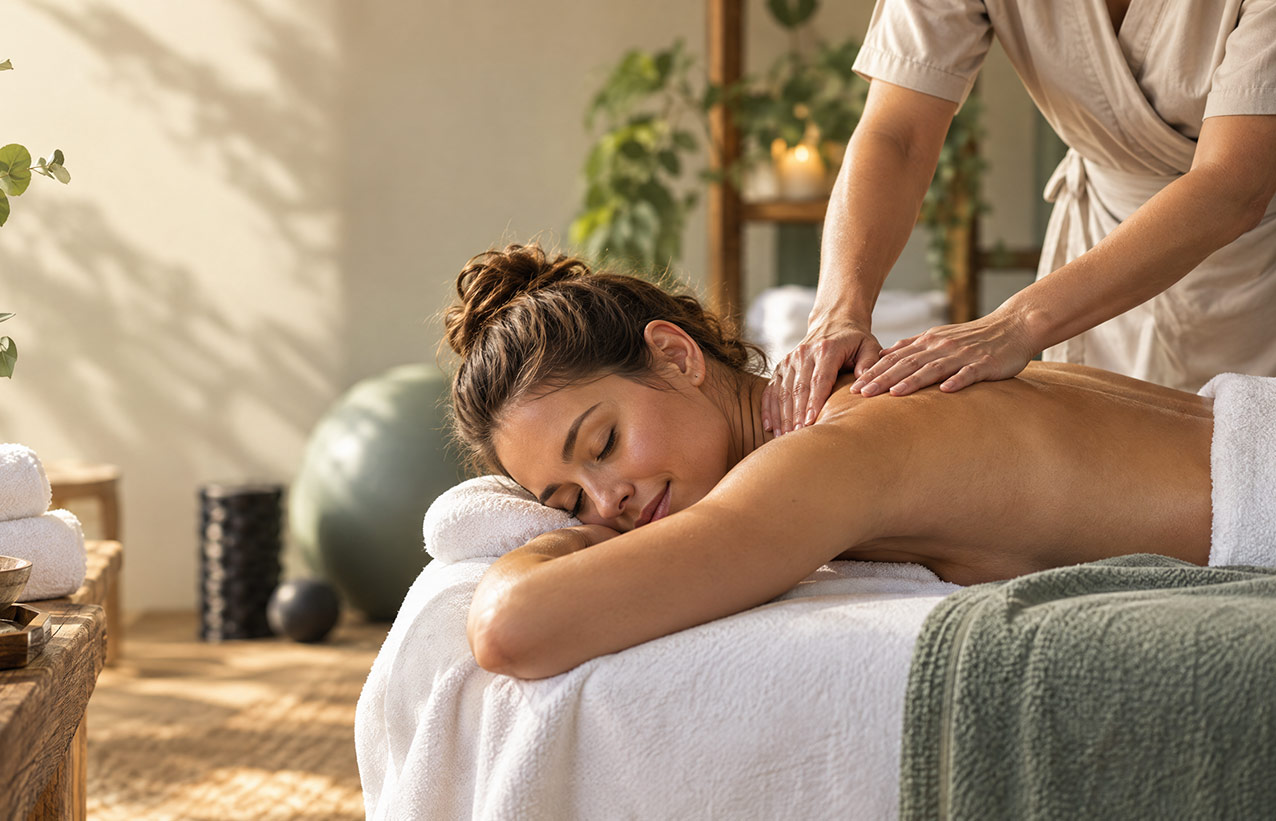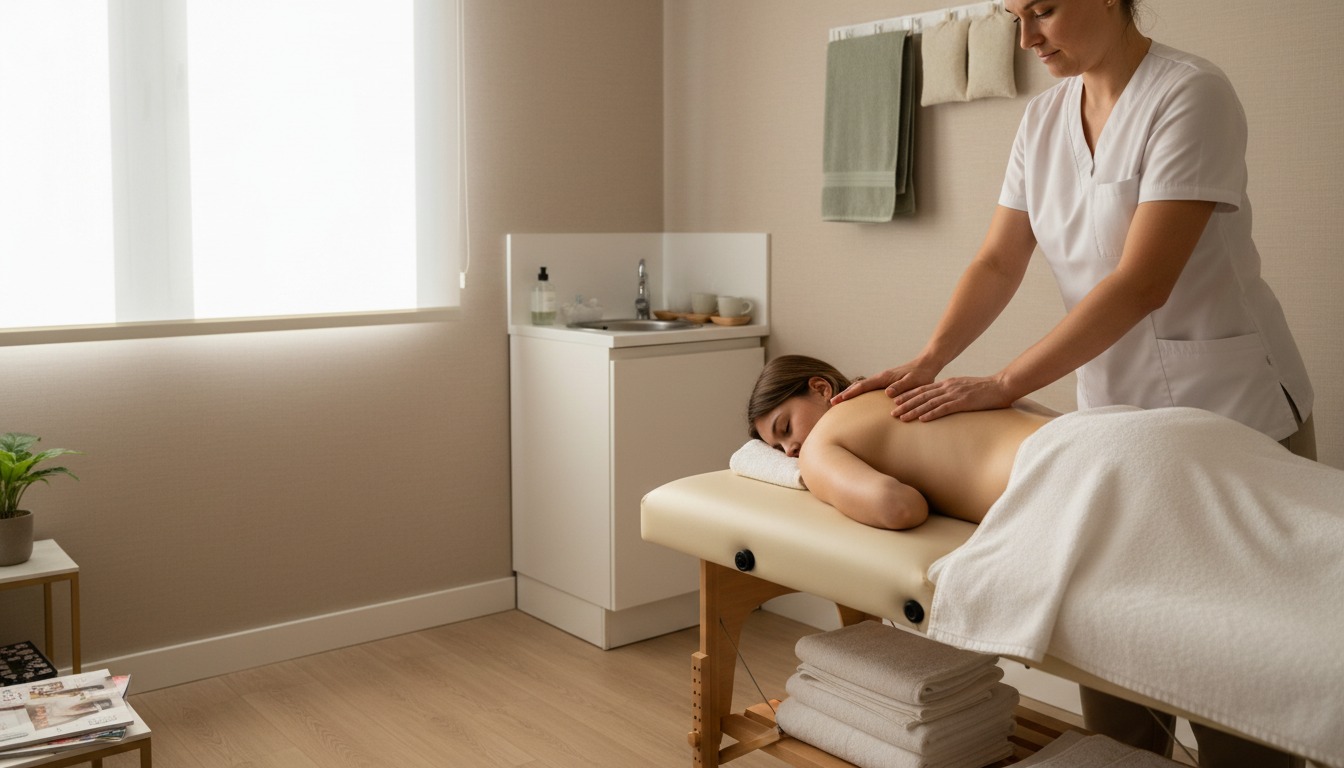

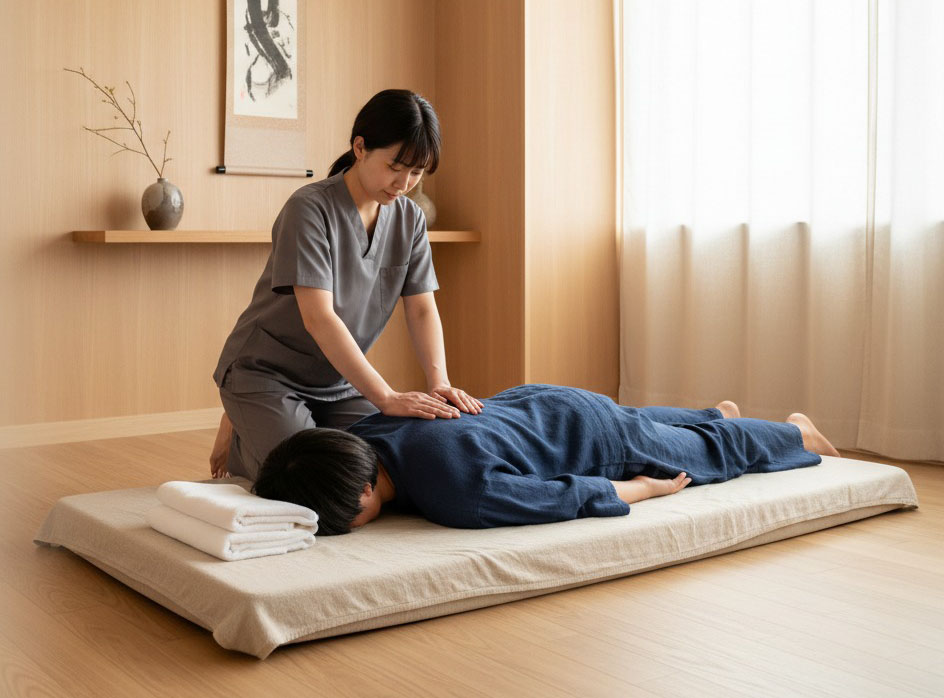
Japanese massage is a traditional bodywork approach known for its focused pressure, rhythmic techniques, and mindful treatment of the body. Unlike many Western-style massages, it is commonly performed with clothes on and without massage oil. This makes the experience practical, comfortable, and suitable for people who prefer a non-greasy treatment.
The term “Japanese massage” can refer to more than one tradition. The best-known modern style is Shiatsu, while Anma is an older Japanese massage system that influenced it. Both approaches may use pressure, kneading, stretching, and rhythmic movements to release tension and encourage relaxation.
What Is Shiatsu Massage?
Shiatsu literally means “finger pressure.” During a Shiatsu session, a trained practitioner applies steady pressure with the thumbs, fingers, palms, or sometimes elbows to specific areas of the body. Gentle stretching and joint movements may also be included.
Shiatsu is often described as a calm, focused, and structured treatment. Rather than using long, oil-assisted strokes, the practitioner usually works through comfortable clothing and applies pressure in a controlled rhythm.
What Is Anma?
Anma is a traditional Japanese massage method with roots in older East Asian bodywork practices. It commonly includes rhythmic kneading, rubbing, pressing, and tapping. Anma influenced the development of modern Shiatsu and may still be offered by practitioners trained in Japanese massage traditions.
The exact techniques can vary between clinics and practitioners, so it is useful to ask which style they provide when booking an appointment.
Why Is Japanese Massage Performed With Clothes On?
Japanese massage is usually performed through light, flexible clothing because the treatment relies primarily on pressure, compression, stretching, and rhythmic movement rather than oil-based gliding strokes.
Wearing clothes can make the session feel more accessible for people who prefer to remain fully covered. Loose trousers and a comfortable, lightweight top are generally the most practical choices. Some clinics may provide a clean treatment garment for the session.
Why Is No Oil Used?
Oil is not usually necessary for Japanese massage because the practitioner is not primarily sliding across the skin. Instead, the work focuses on applying pressure to muscles and soft tissues through clothing.
A session without oil can be a good option if you:
•Prefer a clean, non-greasy treatment;
•Need to return to work or daily activities afterward;
•Do not want to change out of your clothes;
•Prefer pressure-based bodywork over long gliding strokes;
•Have a sensitivity or preference that makes oil-free massage more comfortable.
What Does a Japanese Massage Session Feel Like?
A typical session may begin with a short consultation about your comfort, activity level, and areas of tension. You will usually remain dressed and lie on a padded floor mat, futon-style surface, or massage table, depending on the clinic.
The practitioner may use a combination of:
•Steady thumb, finger, palm, or forearm pressure;
•Rhythmic compression and kneading;
•Gentle stretching and range-of-motion movements;
•Pressure along the back, shoulders, arms, hips, and legs;
•Calming breathing and slow transitions between techniques.
The sensation can range from deeply relaxing to moderately intense in areas of tightness. Pressure should remain comfortable and manageable. You should always tell the practitioner if a technique feels too strong, sharp, numb, or unpleasant.
Japanese Massage vs. Swedish Massage
Japanese massage and Swedish massage can both support relaxation, but the session experience is different.
|
Feature
|
Japanese Massage
|
Swedish Massage
|
|
Clothing
|
Usually performed with clothes on
|
Often performed on bare skin with draping
|
|
Oil
|
Usually no oil
|
Oil or lotion is commonly used
|
|
Main techniques
|
Pressure, compression, stretching, and rhythmic work
|
Long gliding strokes, kneading, and flowing movements
|
|
Treatment setting
|
Mat, futon-style surface, or table
|
Usually a massage table
|
|
Overall feel
|
Focused, grounded, and structured
|
Smooth, flowing, and relaxing
|
Neither style is universally better. The right choice depends on your comfort, goals, preferred pressure, and whether you want to remain dressed during the session.
What Are the Potential Benefits of Japanese Massage?
Many people choose Japanese massage for relaxation and general muscle comfort. Depending on the individual and the practitioner’s approach, a session may help support:
•A greater sense of relaxation;
•Temporary relief from everyday muscle tension;
•Comfort after prolonged sitting or repetitive activity;
•Awareness of posture and body tension;
•Gentle mobility through stretching and movement;
•A calm transition away from daily stress.
These effects can vary from person to person. Japanese massage should not be presented as a substitute for medical diagnosis or treatment.
Who May Enjoy Japanese Massage?
Japanese massage may be a good option for people who:
•Prefer to stay fully clothed;
•Do not want oil on their skin or hair;
•Enjoy focused pressure rather than long, flowing strokes;
•Spend long periods sitting at a desk;
•Want a practical treatment before or after a busy day;
•Prefer a calm and structured massage experience.
If you are new to this style, begin with a gentle or moderate-pressure session and communicate openly with your practitioner.
What Should You Wear?
Choose clean, comfortable, flexible clothing that allows you to move easily. Lightweight trousers, leggings, or loose athletic clothing usually work well. Avoid stiff denim, bulky layers, belts, or clothing with hard accessories.
If you are unsure, ask the clinic whether they provide a treatment outfit or have specific clothing recommendations.
Important Safety Considerations
Before booking, tell the practitioner about recent injuries, surgery, medical conditions, pregnancy, medications, or areas of unusual pain. You may need medical guidance before receiving massage if you have an acute injury, fever, infection, open wound, severe unexplained pain, or another active health concern.
During the session, pressure should never cause sharp pain, numbness, dizziness, or significant discomfort. Speak up immediately if anything feels wrong.
Final Takeaway
Japanese massage is a practical, pressure-based bodywork experience that is commonly performed with clothes on and without oil. Shiatsu is the best-known modern form, while Anma represents an older Japanese tradition that influenced it. The treatment may include pressure, compression, kneading, stretching, and rhythmic movements in a calm and structured setting.
If you prefer a non-greasy massage, want to remain dressed, or enjoy focused pressure instead of long oil-assisted strokes, Japanese massage may be worth trying.
This article is for general educational purposes only and does not replace professional medical diagnosis or advice.
Frequently Asked Questions
Is Japanese massage done with clothes on?
Yes. Japanese massage, especially Shiatsu, is commonly performed through comfortable, lightweight clothing. The practitioner uses pressure, compression, and stretching rather than relying on direct skin-to-skin gliding.
Does Japanese massage use oil?
Usually not. Japanese massage is generally performed without oil because the techniques are based on pressure and movement through clothing.
Is Japanese massage the same as Shiatsu?
Not exactly. Shiatsu is one of the best-known forms of Japanese massage, but “Japanese massage” can also refer to Anma and other related approaches. Ask the clinic which specific method its practitioners use.
Is Japanese massage painful?
It may feel firm or intense in areas of tension, but it should not cause sharp or unbearable pain. Always communicate with your practitioner so the pressure can be adjusted.
What should I wear to a Japanese massage appointment?
Wear loose, clean, flexible clothing. Lightweight trousers and a comfortable top are usually better than tight, stiff, or bulky clothing.